

The International Society for the Prevention of Child Abuse & Neglect — a global membership community breaking down silos to build innovative, child-centered solutions.
Violence against children is not inevitable — it is preventable.
Honor Child Protection Heroes
Child protection professionals are global, multidisciplinary professionals who work in child abuse and neglect (CAN) prevention and treatment. They give 110% so that no child has to suffer. ISPCAN was founded by Henry Kempe on 7/7/77 as a society for multidisciplinary professionals to find their community. So, on this lucky day, we celebrate YOU for bringing hope and inspiration to children in their darkest hours.
Help us celebrate all the people who make this world better today.
We are excited to share that our 2025 Impact Report is now live.
We reflect with pride on a year defined by purpose, collaboration, and progress to end child abuse and neglect. In a time of growing global challenges, ISPCAN remained focused on one central aim: helping countries and professionals strengthen prevention-oriented, integrated systems that respond effectively to the needs of children and families.
Read the full report to learn about our public health approach to child protection, our global convening impact, and educational resources for members.
We’re grateful to everyone who helped make this work possible.
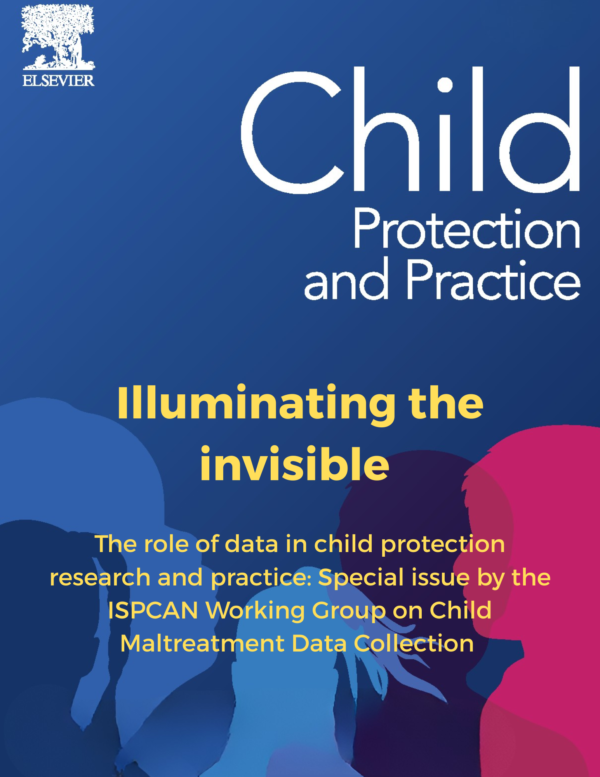
NEW! Cutting-Edge Projects from our ISPCAN Child Maltreatment Data Collection Working Group
Valid and reliable data is vital in supporting global monitoring and prevention efforts in ending violence against children. In 1992, the International Society for the Prevention of Child Abuse and Neglect Working Group on Child Maltreatment Data Collection was founded to provide a forum for researchers and practitioners to discuss challenges encountered in data collection on violence against children.
Over the past 30+ years, the Working Group has allowed for much needed interdisciplinary and cross-country discussion on topics such as the ethics of data collection, development of self-report measures, administrative data linkage and creating minimum datasets for national level monitoring of child abuse and neglect and its prevention, treatments, prosecution and effective management of cases from all sectors. This Special Issue elaborates on current challenges, opportunities and innovation in data collection on violence against children in a global context. We invite all researchers and practitioners who are engaged in data collection, analysis, linkage, management, policy development, and practice use to submit manuscripts.
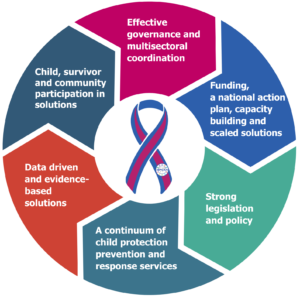
A new international community of practice for governments, policymakers, researchers and practitioners.
Advance evidence-based child protection policies grounded in public-health principles
Foster a community of learning across policymakers, practitioners, researchers, survivors and youth leaders
Integrate research and practice into shareable, data-driven solutions
Catalyze context-specific, scalable regional solutions
Maximize resources and cross-sector collaboration in prevention and response
As part of our celebration of World Day for Child Protection Professionals (July 7), we are hosting a special webinar that will share meaningful strategies to support your well-being and self-care.
Let’s prioritize your health and resilience together.
Sooner or later, most of us have experienced what burnout and secondary traumatic stress (STS) feel like. These are not signs of personal weakness or professional inadequacy. Rather, they are understandable occupational responses to working in a world marked by unprecedented challenges, including armed conflicts, climate-related disasters, and the lingering effects of a global pandemic. For professionals serving children and families affected by trauma, daily exposure to stories of grief, loss, violence, abuse, and adversity is often part of the work. Combined with the growing youth mental health crisis, increasing service demands, workforce shortages, limited resources, and demanding workplace conditions, it is not surprising that more than 70% of child trauma professionals report moderate to high levels of burnout and secondary traumatic stress.
Importantly, the session moved beyond the traditional focus on individual self-care to explore how organizations can play a critical role in promoting workforce well-being and sustainability.
Dr. Zlatina Kostova provided an overview of STS and burnout, explore their physiological and psychological impacts, and shared concrete tools for recognizing, managing, and mitigating these occupational hazards. Participants also had opportunities for interactive discussion, reflection, and experiential well-being practices that can be applied at both the individual and organizational levels.
Listen to the Recording

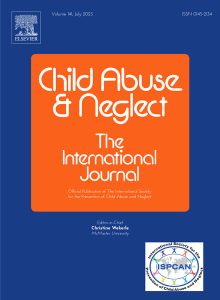
Our mighty flagship journal — the definitive voice of the field.
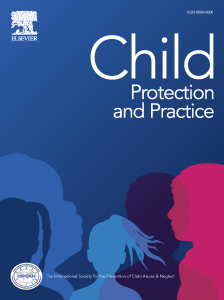
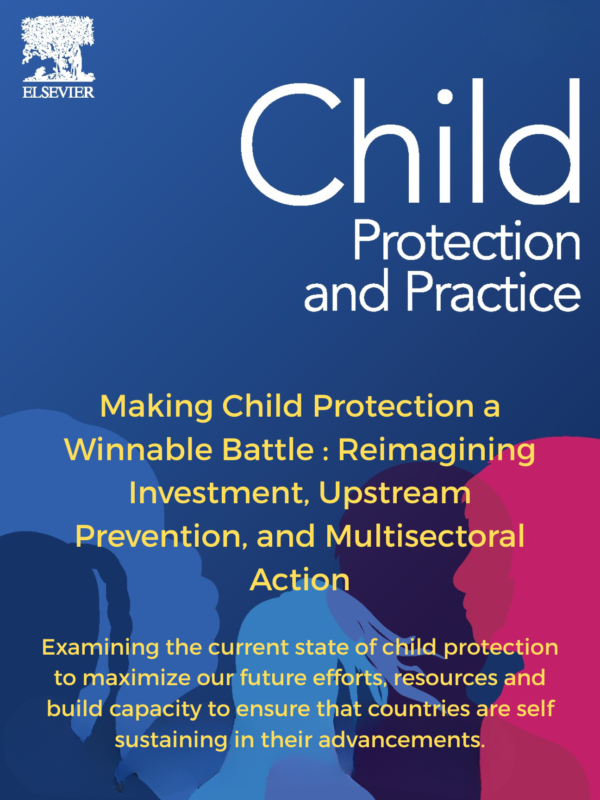
Launched in 2023 to address gaps in outcomes for children and families — challenging norms and sharing innovative practice from every region.
The Knowledge Hub is the home for all of ISPCAN’s resources — grouped by topic so you can search, learn and go deeper on the questions that matter to your work.
Regional Hubs bring together the organizations and individuals working across a shared region — and surface every ISPCAN resource that applies locally, so you can collaborate and act closer to home.
Working Groups are where members collaborate by specialty — shaping international guidelines and best practice together. Looking for resources? Those live in the Knowledge Hub.
Violence against children is not inevitable — it is preventable. Three principles guide everything we do.
Complex problems require integrated solutions. Our expertise, resources and networks make working smarter possible.
The world changes rapidly. Using data, we remove the stigma and face the realities — for every child.
By bringing diversity of thought to conventional thinking, we maximize the good we can do for children and families.
From a single insight to a worldwide network — protecting children has always been the community’s responsibility.
Henry Kempe reframes child abuse as a shared responsibility of the whole community.
Established July 7, 1977 in Denver, Colorado — a community of practice across disciplines.
A new international community of practice bringing data to action across policy and prevention.
A global, multidisciplinary community bringing data to action — everywhere.
Join a worldwide network of professionals advancing the science, policy and practice of protecting children.